Dealer Log In
 1.800.537.1603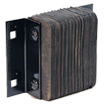
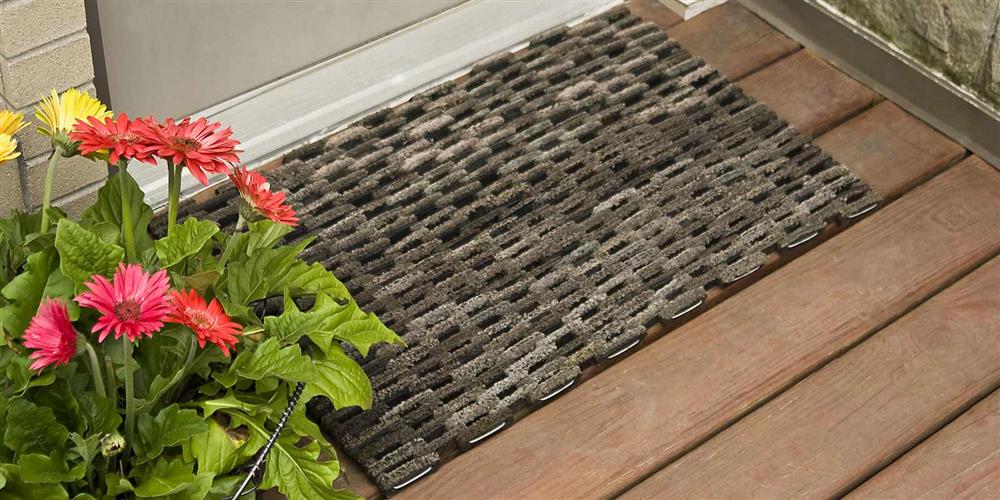
Going green doesn’t always mean a major change to operations or a huge investment. Sometimes the smartest sustainability wins are the simplest: swap in materials that last longer, perform better, and keep waste out of landfills. Recycled rubber mats, for example, check all three boxes and can improve your ROI at the same time.
In this article, we’ll break down how recycled rubber matting and other sustainable products support your environmental, social, and governance (ESG) goals while still delivering measurable, day‑to‑day savings.
What Makes a Rubber Mat “Recycled”
Durable’s recycled rubber mats and dock bumpers are manufactured from post-consumer bias ply bus and truck tires. This material, which would have otherwise be discarded, is transformed into heavy‑duty, high‑performance products for entrances, production areas, and loading docks.
Every time you choose a recycled option, you help keep more tires out of landfills without compromising on protection, traction, and comfort built for real‑world use.
The Sustainability Win You Can Measure
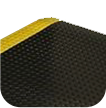
Tire diversion you can count. Our Dura‑Tile II entrance tiles are made from post‑consumer bias‑ply tires and contain around 95% recycled content. A single 12"×12" tile uses less than 2 lbs of recycled rubber. Outfit a 300 sq. ft. vestibule, and you’ve diverted roughly 20 passenger tires from the landfill!
Less replacement, less waste. Recycled rubber stands up to abuse. The Durite 108, our original tire‑link mat first patented in 1923, is one of the toughest, long‑lasting anti‑fatigue mats available today. Long life means fewer change outs and less material headed to the dumpster.
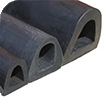
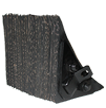
One material. Multiple products. We don’t just recycle tires into mats. Reclaimed tire rubber is also transformed into dock bumpers so you can use recycled products across your facility.
Where “Green” Meets ROI
Going sustainable is good business when it helps you reduce risk, maintenance, and downtime. Recycled rubber matting does exactly that:
- Cut floor care costs. Properly placed matting traps dirt and moisture before it spreads, reducing everyday cleaning and the wear that shortens floor life. That’s one reason strategic mat placement can save facilities thousands per year in maintenance and slip‑and‑fall costs.
- Control moisture and debris at the door. Open‑mesh constructions (like Durite 108 and Dura‑Rug 400) provide drainage and dirt retention to keep walking surfaces drier and safer, especially in wet or high‑traffic conditions.
- Support people who stand to work. Rubber’s got natural give and grip, so it’s the perfect option to cut fatigue on long shifts. Your employees feel better, and the production line keeps moving.
- Protect the building (and your schedule). Receiving docks take a beating. Laminated and steel‑face dock bumpers made from recycled tire pads are designed to absorb impacts, shield dock faces, and perform in all weather. This helps reduce costly building repairs and unplanned downtime.
Where Recycled Rubber Mats Shine
Entrances & Vestibules
Best pick: Dura Tile
Made from post-consumer bias-ply tires, Dura-Tile is designed to trap dirt, absorb moisture, and protect floors in high-traffic areas. Its carpet-like surface and durable rubberized base make it a long-lasting, easy-to-maintain solution for any facility.
Exterior Entrances
Best pick: Durite 108 and Dura Rug
Durite and Dura-Rug are built using recycled rubber links that scrape off dirt, drain moisture, and hold up to constant foot traffic. Durite offers rugged, anti-fatigue performance with excellent drainage, while Dura-Rug adds a softer, carpet-like surface that boosts absorption without sacrificing durability.
Loading Dock
Best pick: Laminated and Steel Face Dock Bumpers
Laminated bumpers absorb shock using tough, recycled-rubber pads, while steel-face bumpers add a 3/8" high-carbon steel plate that prevents wear from trailers shifting up and down during loading—extending service life, reducing replacement costs, and standing up to harsh weather.
Quick Selection & Maintenance Checklist
- Match the mat to the environment. Consider traffic levels, exposure to water or chemicals, and whether you need anti‑fatigue performance.
- Think about edges and fit. Beveled or squared nosing options help minimize trip hazards at the surface or create a clean recessed installation.
- Place mats as a system. Start with scraper/open‑mesh outside, then absorbent/comfort surfaces inside. This layered approach captures debris in stages and improves traction throughout your entry.
- Keep them clean to keep them working. Vacuum or hose down as recommended; for tile systems, rotate high‑wear sections periodically to extend life.
Why Durable
We’ve been innovating with recycled tire materials since 1923, starting with the original tire‑link mat and expanding into a full line of matting, flooring, and dock protection. That history and expertise shows in the attention to detail we give each and every one of our products.
Ready to go green (and lower costs)?
If you have questions or want a recommendation for your exact matting needs, our team is here to help. Reach out, and we will help you find the right recycled rubber mats for your entrances, production areas, and docks.