Dealer Log In
 1.800.537.1603
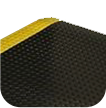

Choosing a commercial entrance mat sounds simple until the wrong mat ends up in the wrong facility. A mat that works well at a small office side door may not hold up at a school, public building, grocery store, manufacturing facility, or busy lobby where hundreds of people come through every day.
For Durable Dealers, the key is helping customers look beyond the basic question of “What size mat do you need?” The better question is, “What does this entrance need the mat to do?”
A good entrance mat recommendation should account for:
- traffic volume
- weather exposure
- soil and moisture control
- floor protection
- Placement
- cleaning needs
- appearance
When those details are clear, it becomes much easier to compare commercial entrance mats and guide customers toward an option that actually fits the facility.
Why High-Traffic Entrances Need a More Thoughtful Mat Recommendation
High-traffic entrances work harder than most people realize. Every person who walks through the door can track in dirt, grit, moisture, salt, mud, or debris. Over time, those materials can spread across interior flooring, increase cleaning demands, and contribute to visible wear in the areas closest to the entrance.
A standard mat may capture some of that material, but high-traffic facilities often need more performance from their entrance matting. They may need a more aggressive scraper outside the door, a vestibule mat that continues removing debris, or an indoor mat that helps capture moisture before it reaches finished floors.
This is where dealers can add real value. Instead of starting with a product, start with the entrance itself. Ask how the space is used, what gets tracked inside, how often the mat will be cleaned, and whether the customer has had problems with mat movement, premature wear, moisture, or floor damage. Those answers will narrow the options quickly.
Start With Where the Mat Will Be Used
The first step in comparing entrance mats is identifying the mat’s location. Outdoor, vestibule, and indoor areas all create different demands. In some facilities, one mat is enough. In many high-traffic buildings, the best solution is a system of mats that work together across the full entrance path.
Outdoor Entrance Mats
Outdoor mats need to handle the toughest conditions. They may be exposed to rain, snow, sunlight, mud, salt, and heavy debris before people even reach the door. For these areas, customers often need a mat with strong scraping action, drainage, and durable construction.
Rubber scraper mats, vinyl loop mats, and link-style mats can all be useful in the right outdoor setting. When recommending an outdoor entrance mat, ask whether the entrance is covered or fully exposed. A covered walkway, open sidewalk, and uncovered employee entrance may all need different matting choices.
Vestibule Mats
Vestibules are often the transition point between outside conditions and finished interior flooring. They are also one of the best places to reduce what gets carried farther into the building. A vestibule mat may need to continue scraping dirt while also beginning to capture moisture.
This area can be especially important in buildings with heavy daily foot traffic. If customers are dealing with dirt trails past the entrance, wet floors near the lobby, or frequent cleaning around the doorway, the vestibule may not have enough matting coverage.
Dealers should ask how much space is available, whether the vestibule has a recessed mat well, and whether carts, wheelchairs, or other rolling traffic pass through the area. Those details can influence mat thickness, edging, backing, and whether a recessed or surface-mounted option makes more sense.
Indoor Entrance Mats
Indoor entrance mats usually need to balance performance with appearance. They still help control dirt and moisture, but they also sit in areas that visitors, employees, and customers see regularly. This is where carpet-style entrance mats and logo mats may become part of the conversation.
For indoor applications, ask what type of flooring the customer is trying to protect. Tile, polished concrete, vinyl, and carpet can all be affected by tracked-in debris. It is also worth asking whether the mat needs to support a more finished look, especially in lobbies, retail entrances, schools, offices, or customer-facing facilities.
Match the Mat to the Facility’s Main Problem
Customers often ask for “a good entrance mat,” but that can mean several different things. A good dealer conversation should uncover the primary problem the customer wants to solve.
Dirt and Debris Control
Facilities near parking lots, sidewalks, landscaping, loading areas, or industrial yards may need stronger scraping performance. In these cases, mat surface design matters. Raised surfaces, looped designs, rubber fingertips, and link-style construction can help remove dirt and debris from shoes before it reaches interior flooring.
Outdoor and vestibule areas are usually the best place to focus on scraping. If a customer only uses a soft indoor mat, they may capture some moisture but still allow grit and debris to move into the building.
Moisture Control
Wet-weather performance matters in facilities that deal with rain, snow, ice melt, or frequent floor tracking. Some mats are designed to absorb moisture, while others are designed to drain water away from the walking surface. In many cases, the best approach uses both types in the right locations.
For example, an outdoor or vestibule mat may help scrape and drain water, while an indoor carpet mat helps capture remaining moisture. Products like Niagra and Ridgeway are examples of entrance carpet mats designed to trap dirt and moisture while offering a rubber-backed construction for interior commercial use.
Floor Protection
Grit and moisture can be hard on finished flooring, especially in high-traffic lanes near doors. Once debris gets past the entrance, it can spread into hallways, lobbies, retail aisles, and work areas.
When floor protection is the customer’s main concern, mat size and placement become just as important as the material. A mat that is too small may not give people enough walking distance to remove debris from their shoes. A larger mat, longer runner, or multi-zone layout may perform better in facilities with steady traffic.
Appearance and Branding
Some entrances need to look as good as they perform. Customer-facing facilities may want matting that complements the interior design, supports branding, or creates a more polished first impression.
Logo mats can be useful in these situations, especially when the customer wants the entrance to reinforce a school, business, municipal, or organization logo. Dealers should still keep performance in the conversation, though, since a mat that looks good but can’t handle the facility’s traffic level will likely underperform over time.
Safety and Mat Stability
Entrance matting can also play a role in reducing common entrance-area concerns, especially when moisture is tracked inside. Dealers should ask whether the customer has had issues with slipping, tripping, curling edges, mat movement, or rolling traffic crossing the mat.
Beveled edges, square nosing for recessed areas, appropriate thickness, and the right backing can all affect how well the mat works in the space. This is especially important in public facilities, healthcare settings, schools, retail locations, and buildings where carts, wheelchairs, strollers, or maintenance equipment regularly cross the entrance.
Compare Commercial Entrance Mat Materials by Performance
Once the location and main problem are clear, it becomes easier to compare material options. Dealers do not need to overcomplicate the conversation, but they should help customers understand why one mat type may be better suited than another.
Rubber Entrance Mats
Rubber entrance mats are often a strong choice for scraping, traction, and durability. They can work well in outdoor and high-use entry areas where the mat needs to remove debris and stand up to regular foot traffic. Rubber scraper mats can also be a practical option when customers need something easy to clean and functional.
Rubber is often a good fit when performance matters more than a decorative appearance. That makes it useful for employee entrances, industrial facilities, service doors, schools, public buildings, and other busy access points.
Carpet and Fiber Entrance Mats
Carpet-style entrance mats are commonly used indoors because they help capture moisture and provide a more finished look. They can be a good option for lobbies, offices, retail entrances, and commercial buildings where appearance matters but the mat still needs to work.
When comparing carpet mats, consider fiber construction, backing, surface pattern, and traffic level. A higher-traffic facility may need a more durable wiper/scraper surface or a mat designed to resist crushing in the main walking path.
Vinyl and Vinyl-Backed Mats
Vinyl matting can support a range of entrance applications, including scraping, drainage, and dirt control. Looped vinyl products can work well in entry areas where drainage and debris capture are important, while vinyl-backed carpet options can help combine moisture capture with floor protection.
Size and Placement Can Make or Break Performance
One of the most common mistakes customers make is choosing a mat that is too small. The mat may be made from the right material, but if people only take one step on it before reaching the finished floor, it will not have enough opportunity to remove dirt or moisture.
When reviewing size, think about the full walking path. How wide is the doorway? How far do people walk before reaching the main interior flooring? Is there space outside the door, inside the vestibule, and beyond the second set of doors? Does traffic naturally flow straight across the mat, or do people step around it?
Custom sizes, rolls, special cuts, beveling, and nosing options can help address sizing and layout challenges, but only if the dealer has accurate measurements and a clear understanding of how people move through the entrance.
Ask About Cleaning Before Recommending a Mat
Maintenance is not a side detail. It directly affects how well an entrance mat performs over time.
Some mats are designed to be vacuumed regularly. Others may need to be lifted, rolled, shaken out, hosed off, or cleaned more aggressively depending on the environment. Wet-weather and outdoor mats may collect heavier debris, while indoor carpet mats may need routine vacuuming to keep fibers from becoming packed with dirt.
Before recommending a mat, ask who will clean it and how often. A facility with an in-house cleaning team may be able to maintain a more involved matting system. A small business with limited maintenance resources may need an option that is easier to clean and reposition.
This is also a good place to set expectations. Entrance mats reduce how much dirt and moisture gets tracked inside, but they are not maintenance-free. The right mat and the right cleaning routine work together.
Questions Dealers Can Use to Guide the Conversation
- The best recommendations usually come from better questions. Before comparing specific commercial entrance mats, dealers can ask:
- What type of facility is this entrance serving?
- How much daily foot traffic does the entrance receive?
- Will the mat be used outdoors, indoors, or in a vestibule?
- Is the entrance exposed to rain, snow, mud, salt, or other tracked-in debris?
- Is there a recessed mat area, or will the mat sit on top of the floor?
- What type of flooring are you trying to protect?
- Have you had issues with moisture, dirt trails, mat movement, curling, or premature wear?
- Will carts, wheelchairs, strollers, or maintenance equipment cross the mat?
- How often will the mat be cleaned, and what cleaning methods are available?
- Is appearance, branding, or logo customization important?
These questions help move the conversation away from price alone and toward the customer’s actual facility needs.
Choosing Commercial Entrance Mats With Confidence
The best commercial entrance mat is the one that fits the facility’s traffic level, environment, flooring, and maintenance needs. For Durable dealers, that means focusing on the entrance conditions first and the product second. By asking the right questions about placement, performance, and usage, dealers can help customers choose matting that delivers effective dirt control, moisture management, and floor protection.