Dealer Log In
 1.800.537.1603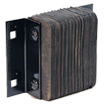
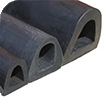
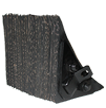
The right dock bumper can make the difference between a crushed dock face and a stable loading zone. Loading dock bumpers serve two roles: protecting the building from damage and reducing impact on trucks and trailers at the dock. Letting the bumper get too worn before replacing it can cause serious problems. If it’s time for a new dock bumper, or if the facility is adding a new dock, selecting the right bumper should be a priority.
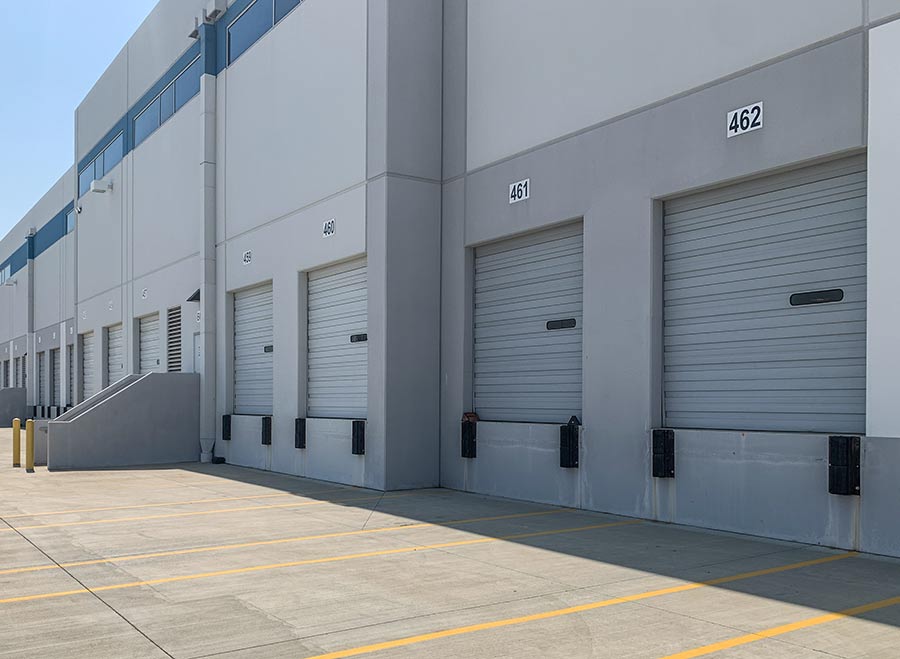
Choosing the right dock bumper isn’t complicated, but it does depend on conditions that vary from dock to dock, and from door to door within the same building. Here’s how to work through it.
Start With Traffic and Vehicle Type
The first question is how much work the bumper actually does. Most bumpers are categorized as light, medium, or heavy-duty based on the amount of traffic they’re built for. That’s a useful starting point. When thinking through your next bumper, think through some of these questions:
- What type of vehicle is contacting the bumper?
- How many trailers per day?
- Are drivers dropping and hooking repeatedly, or backing in once and staying for hours?
- Do forklifts make contact with the dock face during loading?
A door with lighter trailer traffic but heavy forklift activity might need more protection than the trailer count alone would suggest. Consider both the vehicle type and the activity, then weigh it against the level of protection the door will need before selecting your bumper.
Measure the Dock and Approach
Making sure your sizing is correct goes beyond pulling out a tape measure and marking down the width and height of the door. Yes, that’s necessary, but there are actually three measurements that will affect product selection.
First, the obvious: dock height and trailer bed height. The bumper needs to sit where the trailer actually makes contact. A mismatch will cause the trailer to ride above the bumper and hit the building, or catch below it and work against the dock edge.
Next, measure the approach grade. A drive that slopes down toward the building changes the contact angle and the distance the trailer needs to be from the wall. A declined approach typically calls for an extra-thick bumper, which will provide more stand-out distance from the dock face. Flat grades aren’t as precarious and won’t need the extra padding to keep the trailers and building safe.
The third measurement is the dock seals and shelters. If the door has a seal, the bumper has to project far enough to keep the trailer from crushing it. Extra-length bumpers are built specifically for this, and they’re a common choice at refrigerated or climate-controlled doors where seal performance matters.
These measurements are the first steps in narrowing the product options when choosing the right dock bumper.
How Construction Changes the Fit
Bumper construction changes how they fit within an application. Laminated, molded, and steel-face bumpers all protect the dock, but choosing the right one ensures optimal performance.
Laminated bumpers are built from rubber pads, typically cut from recycled truck or bus tires, that are stacked and compressed onto steel rods. The layered construction is the key: the stacked rubber design compresses when the trailer makes contact, then rebounds. As this repeats over and over again, the steel rods hold the bumper together as the rubber contact face wears down over time. This laminated bumper construction is great for docks with steady, heavy trailer traffic.
Molded bumpers are formed as a single piece, usually from fiber-reinforced rubber. This design holds up well against heavy-duty forklift contact on in-plant walls. It won’t warp, rot, or come apart in layers.
Steel-face bumpers are laminated bumpers with a heavy steel plate mounted across the contact face. The laminated bumper underneath still absorbs the shock, but the plate is there to take the friction for applications where a trailer rides up and down against the bumper face while it’s being loaded and unloaded. This distinction matters, because impact and friction wear a bumper differently. Air-ride trailers, docks where loads shift the trailer height significantly during loading, and doors working a high volume of trailers are all applications where steel-face bumpers are ideal.
No one type is better than another. The right one for a specific application comes down to the same questions reviewed at the beginning: how often is the door worked, and what is hitting it?
When a Standard Bumper Won’t Cut It
Some docks don’t fit the standard sizes, and forcing a standard unit into an unusual application can shorten its service life. Custom solutions come to the rescue when the dock itself doesn’t match what standard bumpers are bult for or the surface that needs protecting isn’t the dock face at all.
When a dock doesn’t match up to a standard bumper, modifications can be made. Gussets can be added to project over low docks, where the trailer bed sits high relative to the dock face and a standard-mounted bumper won’t line up with the point of contact. Or, if a dock pit wall is beat up so much that bolting isn’t an option, an extended plate provides a mounting surface beyond the damaged area. Both are alterations to standard bumpers that could potentially replace the need for structural repair to the dock.
Other custom bumpers are constructed somewhere other than the dock face. Rub rails run along the sides of narrow truck wells, protecting the building where trailers scrape the wall on the way in rather than hitting it head-on. Wall bumpers protect interior building surfaces from forklift damage and can be useful in staging areas, aisle ends, or anywhere equipment contacts a wall on a repeated basis.
And of course, there’s always a unique scenario where no standard unit exists. For these, a bumper can be designed from scratch, and custom sizes are available alongside standard in-stock dimensions. If a dock has a condition that doesn’t match anything in a catalong, that’s worth a conversation rather than a compromise.
Mounting and Installation
How the bumper attaches matters as much as what it’s made of. Many molded bumpers ship with pre-drilled, countersunk mounting holes sized for standard anchor bolts, simplifying installation on typical dock faces without any problems. Steel-face units are usually supplied with structural mounting angles that allow either welded installation or bolting through the steel and arrive with no assembly required.
Before ordering, it’s important to inspect the concrete where the mount will go. Any cracking, chipping, or previously repaired dock walls may not hold anchors reliably. If that’s the case, an extended-plate configuration could work better than a standard bolt-on unit.
Know When to Replace
A bumper that’s past its service life stops protecting the dock long before it falls off. Replacing on a schedule costs less than repairing a dock wall. Make sure these checks on your regular dock inspection list:
- Exposed steel rods, plates, or fasteners on the contact face
- Rubber that stays compressed instead of rebounding
- Deep gouging, tearing, or chunks missing from the bumper
- Loose or pulled anchors
- Trailers making contact with theb building above or below the bumper
Finding the Right Dock Bumper for Your Loading Dock
Work through it in order: traffic level, then dock and approach conditions, then construction type, then size and mounting.
Durable has manufactured loading dock bumpers for more than a century, including standard laminated, steel-face, extra-length, and extra-thick bumpers, molded bumpers, and custom builds for docks that fall outside standard sizes.
Our experts have a long record of knowing what holds up on a busy dock, what wears out early, and why. That experience is the reason Durable’s line runs from standard in-stock bumpers all the way through fully custom builds.
It also means you don’t have to work it out alone. Durable’s team can help you land on the right unit rather than the closest guess.
Contact Durable or locate a Durable Dealer to talk through your application or ask about custom sizing.