Dealer Log In
 1.800.537.1603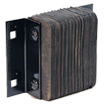
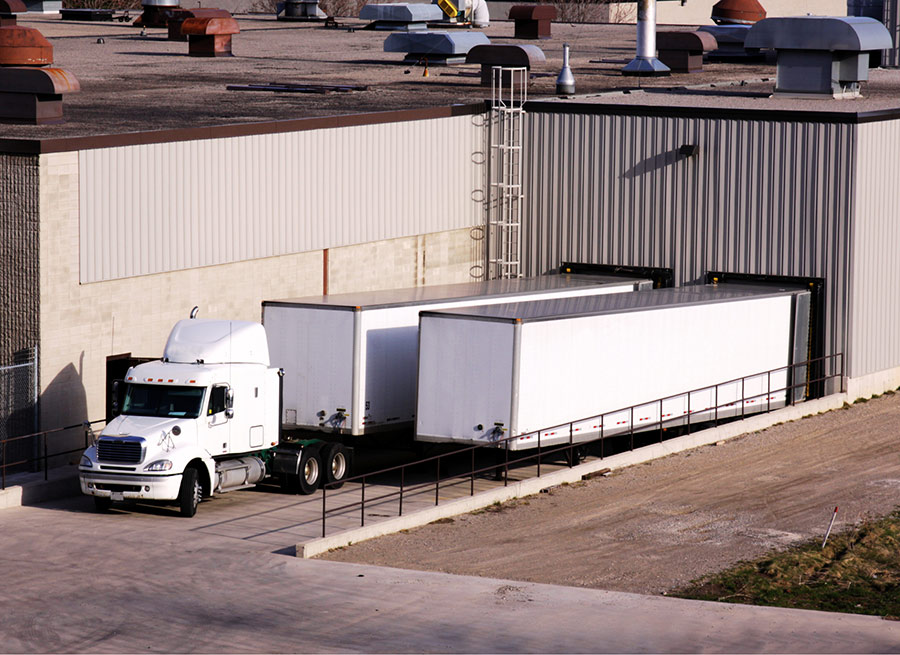
The loading dock is one of the busiest places in any facility. It is also one of the easiest places for safety risks to hide in plain sight.
That is because loading dock problems do not always show themselves right away. It may start with small issues that are easy to dismiss: a dock plate that feels a little unstable, a forklift route that gets crowded during peak hours, or a driver pulling in before the team is fully ready. None of these issues may stop the operation on their own, so they become part of the daily routine. Until they are not routine anymore.
For facility leaders, the loading dock is worth a closer look because small issues can quickly become injuries, damaged freight, downtime, or avoidable liability.
Your Dock Relies on Experience Instead of Clear Process
A loading dock should not only run safely when your most experienced people are on shift. If the operation depends on a few key employees knowing where everyone should stand, which trailer is ready, which dock door is unreliable, or which shortcut to avoid, that is not a safety system. That is institutional memory doing too much of the work.
This is one of the clearest signs that a dock may be carrying unnecessary risk. The process might technically exist, but the day-to-day reality depends on judgment calls, habits, and verbal instructions. That can work for a while, especially with a seasoned team. It becomes much less reliable during peak shipping windows, staffing changes, shift transitions, seasonal volume spikes, or when temporary workers and third-party drivers enter the picture.
Signs Your Process May Be Too Informal
Look for warning signs like:
- Traffic patterns that are unclear or change from shift to shift
- Employees using different hand signals or verbal cues
- Drivers waiting wherever there is open space because staging rules are vague
- Supervisors constantly stepping in to direct basic movement
- New employees copying habits instead of following a documented process
- Team members creating their own fixes because the official process does not match the work
A workaround is often an employee trying to keep the operation moving with tools, equipment, or instructions that do not fully support the job. Maybe they prop open a door because it sticks. Maybe they step over a gap instead of waiting for the right equipment. Maybe they bypass a safety step because “we only do it that way when corporate is here.” Those behaviors are not just compliance problems. They are clues.
A safer loading dock should make the right action obvious, repeatable, and practical even when the day gets busy. That process also depends on having the right physical supports in place, whether that is a clearly defined pedestrian route, properly placed wheel chocks, safety matting in high-traffic areas, or corner guards that help protect vulnerable edges from repeated impacts. If your dock only works because people know how to work around it, the process is creating risk.
Forklifts and Pedestrians Are Too Close Together
Forklifts and pedestrians should not be treated as if they can safely share the same space by default. Loading docks are active, noisy, and full of distractions. Forklift operators are often maneuvering around freight, backing out of trailers, turning near dock doors, and working with limited sightlines. Pedestrians may be focused on paperwork, staging, inspections, or communication with drivers. When those paths overlap, risk increases quickly.
Walk the Dock and Ask
- Are pedestrian walkways clearly marked?
- Are walkways protected by barriers where needed, or are they just painted lines that disappear under pallets and tire marks?
- Do employees have to cross forklift routes to reach offices, break rooms, restrooms, time clocks, or staging areas?
- Are blind corners common?
- Are mirrors, signs, floor markings, and lighting placed where they actually help people make safer decisions?
Then look at behavior. Do people cut across active forklift lanes because the safer route is inconvenient? Do forklift operators reverse into areas where pedestrians may be walking? Is freight staged in a way that blocks visibility?
The issue is not that employees are careless. Often, the layout teaches people to take risks. If the safe route is longer, unclear, blocked, or unrealistic during busy periods, people will find a faster way. Over time, that faster way starts to feel normal.
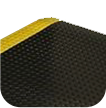
That is why pedestrian and forklift separation needs to be designed into the dock, not simply mentioned during training. Clear travel paths, protected walkways, controlled crossing points, visibility aids, and consistent enforcement all matter. In some areas, flooring and safety matting can also help define where people should walk, improve footing, and make high-traffic zones easier to recognize at a glance.
Trailer Movement Is Not Fully Controlled
A trailer that is not properly controlled can create serious loading dock hazards in seconds. Trailer creep, early departure, unstable positioning, and communication breakdowns can all put workers and equipment at risk.
One of the biggest concerns is assumption. That can show up in several ways: the dock team enters a trailer before confirming it is secured, the driver believes loading is complete before the team has released them, or a supervisor assumes someone else has already checked the restraint.
Those assumptions can create dangerous conditions, especially when the dock is moving fast.
Trailer Control Warning Signs
>What You See | What It May Mean |
Wheel chocks or restraints are used inconsistently | The process depends on memory instead of a required step |
Drivers are unsure when they can pull away | Communication is unclear or too informal |
Dock lights are ignored or misunderstood | The signal system may not be visible, simple, or enforced |
Employees enter trailers without confirming restraint status | The team may be relying on assumptions |
Restraints are damaged, bypassed, or rarely inspected | Safety equipment may be present but not dependable |
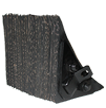
A strong process should remove guesswork. Workers should know whether a trailer is secured before entering it, and drivers should know when they are allowed to move. Simple, dependable equipment matters here too. Wheel chocks, restraints, dock signals, and clear procedures all work together to make trailer control visible instead of assumed.
This is especially important in facilities with frequent carrier turnover, high dock volume, or third-party drivers who may not know your site-specific rules. The more outside variables your dock has to manage, the more important it becomes to have a trailer control process that is visible, consistent, and easy to follow.
Dock Equipment Shows Signs of Wear or Misuse
The right loading dock equipment does more than help freight move in and out of a facility. It gives workers a safer, more predictable environment to do that work. When equipment is properly selected, maintained, and used, it helps close gaps between trailers and docks, supports safer forklift movement, improves visibility, and reduces the need for employees to improvise.
That is why worn or poorly matched equipment deserves more attention than it often gets. A dock plate with visible damage may stay in rotation because no one has taken it out of service. A door that sticks may be treated as an annoyance instead of a warning sign. A damaged dock bumper may not get attention until it starts affecting trailer position.
In each case, the risk is not just that one component could fail. The bigger issue is that employees begin adapting their behavior around equipment they do not fully trust. They slow down, step around gaps, use unofficial fixes, or create special instructions for certain doors and dock positions. Over time, those adaptations become part of the process, even though they were created to compensate for a problem.
Equipment Issues That Deserve Attention
Watch for:
- Bent, cracked, rusted, or undersized dock plates
- Dock levelers that move unevenly or feel unstable
- Doors that stick, slam, drift, or do not seal properly
- Damaged dock bumpers, seals, corner guards, or barriers
- Poor dock-to-trailer alignment
- Gaps employees have learned to step around
- Equipment that workers avoid because they do not trust it
These issues can create safety concerns, but they also affect productivity and consistency. When the dock does not have the right equipment for the way the facility actually operates, workers end up carrying the burden. They have to compensate for awkward transitions, unreliable doors, poor alignment, worn bumpers, missing corner protection, or surfaces that do not provide enough traction for the conditions.
A good rule of thumb: if employees have developed special instructions for using a piece of dock equipment, that equipment deserves attention. “Lift it a certain way,” “don’t use that side,” “watch the gap,” and “it sticks unless you pull hard” are not harmless comments; they are signs that the equipment may no longer be supporting the operation the way it should.
Housekeeping and Visibility Are Creating Hidden Hazards
Some loading dock hazards come from the condition of the space itself. Clutter, broken pallets, loose shrink wrap, pooled water, ice, oil, poor drainage, and scattered packaging can create slip, trip, and fall risks while leaving workers with less room to move safely. Flooring and mats matter here because the surface underfoot can either support safer movement or make every step less predictable.
Those conditions send a message, especially when they appear alongside broken or worn equipment. Damaged dock plates, worn dock bumpers, bent corner guards, blocked walkways, and freight staged too close to dock edges can start to feel normal when teams see them every day. Over time, that kind of visible disorder makes avoidable risk easier to overlook.
Conditions That Make Hazards Harder to Catch
- Shrink wrap, pallet pieces, packaging, or debris in travel paths
- Water, ice, oil, or other slick surfaces near dock doors
- Freight staged too close to dock edges or pedestrian routes
- Burned-out lights or shadowed trailer interiors
- Broken or worn-down safety equipment, including dock bumpers, corner guards, and mats
- Warning signs blocked by freight or equipment
- Mirrors, floor markings, or signals that are dirty, damaged, or ignored
A clean, well-lit dock does not solve every safety problem, but it gives workers more time and space to react.
How to Start Reducing Loading Dock Risk
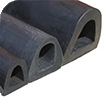
Improving loading dock safety does not always require a massive overhaul. Some issues may call for layout changes or process updates, but equipment should be part of the conversation from the start. Practical products like dock bumpers, wheel chocks, corner guards, and safety matting can help protect high-impact areas, support safer trailer positioning, reduce damage, and give workers a more stable surface underfoot. These details may seem small on their own, but together they shape how safely and consistently people can do the work every day.
Talk to the people who work there every day. Ask where they feel exposed, rushed, or forced to improvise. Ask which doors, levelers, routes, or staging areas create the most frustration. Employees often know where the risk is long before it appears in an incident report, especially when they have learned to work around equipment that no longer supports the pace or conditions of the facility.
A Simple Loading Dock Risk Review
Use this as a starting point:
- Walk the dock during peak activity, not when it is quiet.
- Watch how forklifts, pedestrians, drivers, and freight actually move through the space.
- Ask employees where they feel rushed, exposed, or forced to work around the process.
- Review near misses, damaged freight, maintenance tickets, equipment repairs, and driver complaints together.
- Check whether dock doors, levelers, plates, wheel chocks, lights, signs, dock bumpers, corner guards, flooring, mats, and barriers still fit the way the dock operates today.
- Prioritize the risks most likely to cause serious harm first.
The Safest Loading Docks Are Designed, Not Hoped For
A safe loading dock is not the result of luck or good intentions. It comes from clear processes, maintained equipment, and a layout that helps people make safer decisions even when the day gets busy. The products in that environment matter too, from the wheel chocks that help control trailers to the dock bumpers, corner guards, flooring, and mats that help the space hold up to daily use.
Reducing loading dock risk protects people first. It also supports uptime, freight quality, throughput, and more predictable operations. For facility leaders, that is the real opportunity: catching small problems while they are still manageable, before they turn into the kind of incident no operation can afford.