Dealer Log In
 1.800.537.1603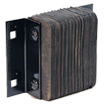

.jpg)
Winter has a way of exposing the weak spots in a facility. Snow, ice, moisture, temperature swings, and heavy use can all take a toll on dock equipment and the surrounding work area. That is why spring is a smart time to step back and give loading dock maintenance the attention it deserves.
For many facilities, the dock is one of the busiest and most important parts of the building. It keeps product moving, supports daily shipping and receiving, and plays a major role in worker safety. When maintenance gets pushed aside, small issues like worn seals, uneven surfaces, damaged bumpers, or neglected dockboards can turn into bigger problems that affect uptime, safety, and compliance.
A seasonal check-in helps bring those issues to the surface before they create larger disruptions. From general upkeep and equipment inspections to OSHA-related safety considerations, spring is a good time to make sure the dock is ready for the months ahead.
Why Spring Is the Right Time for Loading Dock Maintenance
Spring cleaning is usually associated with tidying up interiors, but it is also the right season to check in on miscellaneous facility maintenance that may have been overlooked during the winter months. At the dock, that means more than sweeping debris or washing down surfaces. It means looking closely at the equipment and traffic areas that support daily operations.
Cold weather can leave behind corrosion, moisture damage, worn traction surfaces, visibility issues, and dock components that took on extra stress during snow and ice season. Even if the dock stayed operational all winter, a quick sweep of the facility helps confirm that equipment is still functioning as intended and that the area is still safe for pedestrians, forklift operators, and drivers.
Loading Dock Maintenance Items to Inspect This Spring
A thorough spring inspection should cover the dock area from the ground up. This is a good opportunity to look beyond obvious damage and take stock of the surfaces, equipment, and visual cues that support safe day-to-day operations.
- Dock surfaces: Start with the dock surface itself. Look for cracks, spalling, uneven spots, loose materials, standing water issues, and any signs that the walking-working surface is becoming unsafe. OSHA requires surfaces to be kept free of hazards such as leaks, spills, snow, ice, loose boards, and corrosion, and to be inspected regularly and maintained in safe condition.
- Dockboards, plates, and leveler transition points: These components need to handle repeated traffic and heavy loads, so any wear, shifting, or instability deserves attention. OSHA requires dockboards to support the maximum intended load, be secured against unsafe movement when portable, and include measures that prevent the transport vehicle from moving while employees are on the dockboard. Portable dockboards also need safe handling features such as handholds or similar means.
- Bumpers, seals, shelters, restraints, wheel chocks, lights, and communication systems: These items can be easy to overlook, but they play an important role in safer, more consistent trailer positioning and help reduce unnecessary damage at the building face. OSHA has long recognized trailer creep and trailer pull-away as dock hazards and states that if restraint systems are not used, trailers must be properly chocked and employers must have a system in place to prevent drivers from pulling away during loading or unloading.
- Paint lines, edge markings, housekeeping, and visibility: Winter conditions can wear down markings or create clutter that gradually becomes part of the environment. Spring is a good time to refresh visual cues, improve visibility, and remove anything that makes the dock harder to navigate safely.
Taken together, these checks can help facilities catch smaller issues before they affect safety, compliance, or daily workflow. A more organized spring review also makes it easier to prioritize repairs and keep loading docks on track heading into the busier months ahead.
Products That Support Loading Dock Maintenance
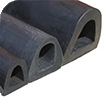
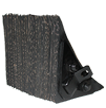
As facilities work through spring loading dock maintenance, it is also a good time to look at the protective products surrounding the dock itself. Components like dock bumpers, wall protection, and wheel chocks can help reduce everyday impact, protect building surfaces, and support safer trailer positioning during loading and unloading.
These products may not always be the first items checked during a seasonal review, but they play an important role in keeping dock areas functional, visible, and better protected against wear over time. If winter left behind signs of damage or heavier-than-usual wear, spring is the right time to evaluate whether these supporting dock products still meet the needs of the facility.
Additional OSHA Requirements That Should Be Part of the Conversation
Spring maintenance is not just about appearance or upkeep. It is also a good time to confirm that your facility is still aligned with OSHA expectations. At a minimum, that means:
- Reviewing the dock for walking-working surface hazards
- Making sure damaged areas are repaired before use or clearly guarded until they are fixed
- Confirming that dock equipment is being used in a way that supports safe loading and unloading.
Fall protection should also be part of the review. Under OSHA’s general industry rules, employees on a walking-working surface with an unprotected side or edge that is four feet or more above a lower level generally must be protected from falling. OSHA does include a narrow exception to this rule based on feasibility, but that is not something facilities should assume applies automatically.
If forklifts are part of your dock operation, spring is also a logical time to revisit operator practices and site-specific dock procedures since OSHA’s powered industrial truck standards include training requirements for operators involved in loading and unloading activities.
Products That Support Loading Dock Maintenance
As facilities work through spring loading dock maintenance, it is also a good time to look at the protective products surrounding the dock itself. Components like dock bumpers, wall protection, and wheel chocks can help reduce everyday impact, protect building surfaces, and support safer trailer positioning during loading and unloading.
These products may not always be the first items checked during a seasonal review, but they play an important role in keeping dock areas functional, visible, and better protected against wear over time. If winter left behind signs of damage or heavier-than-usual wear, spring is the right time to evaluate whether these supporting dock products still meet the needs of the facility.
Loading Dock Maintenance Is Also About Preventing Disruption
One of the biggest benefits of regular loading dock maintenance is that it helps facilities catch smaller issues before they interrupt workflow. A dock that is technically still usable is not always a dock that is working well. Minor damage can slow loading times, create avoidable risk, and shorten the service life of surrounding components.
That matters because the dock is often where productivity and safety meet. If employees are working around worn surfaces, damaged accessories, unstable trailer conditions, or poor visibility, the impact is not limited to maintenance costs. It can affect throughput, equipment wear, and confidence in the space itself. Spring is the right time to reset those conditions before warmer weather gives way to peak activity.
A Seasonal Check-In That Pays Off All Year
Spring loading dock maintenance is a practical way to get ahead of the issues winter tends to leave behind. It helps facilities:
- Address overlooked maintenance items
- Improve day-to-day safety
- Ensure the dock is still supporting both operational demands and OSHA expectations
For facilities that want to stay proactive, the goal is simple: inspect the dock thoroughly, correct hazards quickly, and treat spring as the season to restore order before minor issues become bigger ones. When loading dock maintenance stays on the schedule, the dock is better prepared for the work ahead.