Dealer Log In
 1.800.537.1603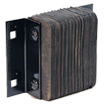
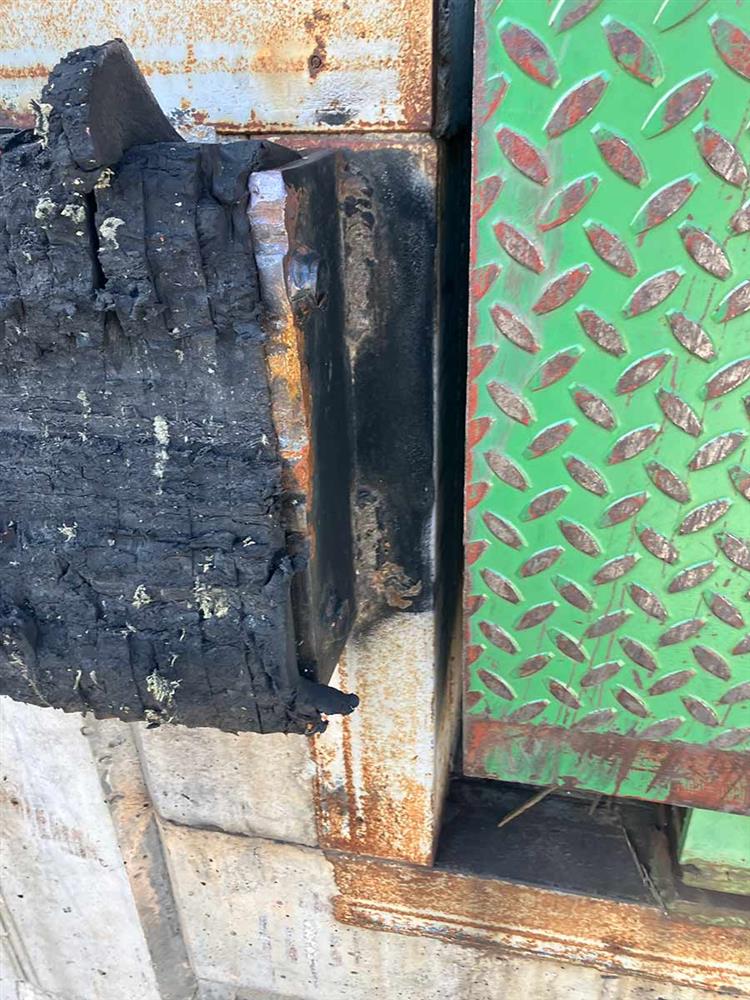
Most facility protection products are easy to overlook until they fail. A worn mat, undersized dock bumper, missing wheel chock, or cracked corner guard may not seem urgent when a facility is busy and budgets are tight. As long as the product is technically doing something, it can be tempting to call it “good enough” and move on.
The problem is that facility protection products are not just accessories. They help protect people, equipment, buildings, vehicles, floors, inventory, and daily operations. When they are poorly matched to the environment, cheaply made, or left in service too long, the real cost usually shows up somewhere else. It may appear as more maintenance calls, damaged walls, avoidable slip risks, premature replacements, or downtime at the loading dock.
For Durable Dealers, this is an important conversation to have with customers. The lowest-cost product is not always the most affordable one over time. Helping customers understand the hidden costs of “good enough” protection can make it easier to recommend solutions that fit the way their facility actually operates.
Small Product Failures Can Create Larger Facility Costs
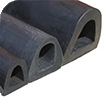
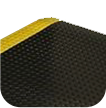
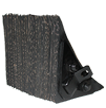
Facility protection products often live in heavily trafficked areas. Entrance mats handle constant foot traffic, moisture, dirt, and debris. Dock bumpers absorb repeated trailer impact. Wheel chocks are used in active loading areas where reliability and visibility matter. Wall and corner guards take abuse from carts, forklifts, pallet jacks, and other material handling equipment.
When these products are not built for the environment, they start to fail. A mat curls at the edge. A bumper compresses too far or begins to break down. A wheel chock gets ignored because it is hard to see, damaged, or inconvenient to store. A corner guard loosens or no longer covers the impact zone. None of these issues may stop operations right away, which is why they are easy to delay.
Over time, those small problems can create higher costs. Floors get scratched or stained. Walls and corners need patching. Dock areas experience more wear. Employees work around problems instead of working with confidence. A product that looked like a savings decision at purchase can eventually create a cycle of repair, replacement, and frustration.
Cheap Products Often Shift Costs Into Maintenance
One of the biggest hidden costs of “good enough” facility protection is the extra burden placed on maintenance teams. When products are not durable enough for the space, someone has to keep fixing the issue. Mats need to be repositioned. Damaged bumpers need attention. Loose guards need to be reinstalled. Floors need more cleaning because entrance matting is not capturing enough moisture or debris.
Those maintenance hours may not show up on the original purchase order, but they still cost the facility money. They also take time away from higher-priority work. In busy facilities, maintenance teams are already stretched. Products that require constant attention make their jobs harder and can create repeat issues that never fully get solved.
This is where Dealers can help customers think beyond the initial price. A better-fit entrance mat, a properly selected anti-fatigue mat, or a dock bumper designed for the traffic level may cost more upfront, but it can reduce the number of times the facility has to revisit the same problem.
The Wrong Product Can Wear Out Faster Than Expected
A facility protection product does not have to be “bad” to be the wrong choice. Sometimes the issue is simply a mismatch between the product and the application. A mat that works well in a low-traffic lobby may not hold up in a high-traffic entrance. A light-duty bumper may not be right for a loading dock that sees frequent truck traffic. A standard solution may not fit a facility with unusual dock conditions, tight turning areas, or consistent impact from material handling equipment.
When products are selected without considering traffic, environment, placement, and use case, they often wear out faster than expected. That leads to more frequent replacement, which can erase any upfront savings. It can also create frustration for customers who thought they were making a practical purchasing decision.
For Dealers, this is an opportunity to ask better questions early. How much traffic does the area see? What type of equipment is used nearby? Is moisture, grease, dirt, or debris part of the problem? Is the product protecting people, the building, equipment, or all of the above? The answers can point customers toward a product that is more likely to last.
“Good Enough” Can Increase Safety Risks
Safety is another area where cutting corners can become expensive quickly. A mat that shifts, curls, or fails to control moisture can create a slip or trip concern. A poorly placed or worn anti-fatigue mat may not provide the support employees need in long-standing work areas. A missing or damaged wheel chock can create risk in loading dock operations. A dock bumper that is past its useful life may not provide the protection the dock area needs.
Facility safety is rarely about one product doing all the work. It is usually about layers of protection that support everyday behavior. Entrance mats help reduce tracked-in moisture. Industrial matting can improve footing in areas where floors become slippery. Wheel chocks support safer loading dock practices. Dock bumpers, wall guards, and corner guards help reduce damage in areas where impact is expected.
When one of those layers is treated as an afterthought, the facility may be relying on luck instead of a sound protection plan. Dealers do not need to use scare tactics to make this point. Most customers already understand that safety problems are expensive. The more helpful approach is to show how the right product supports safer routines and reduces avoidable exposure.
Replacement Cycles Matter More Than Purchase Price
When customers compare products, the conversation often starts with unit price. That is understandable, especially when budgets are tight. A more useful comparison looks at how often the product will need to be replaced and how much work it will take to manage over its service life.
A lower-priced product that needs to be replaced twice as often may not save money. It can also create additional ordering, installation, and disposal work. In some areas, replacement may require downtime or coordination with operations. For example, loading dock protection is not something most facilities want to revisit constantly. A failed bumper, missing chock, or damaged guard can become a real operational nuisance.
Durable products are built for demanding facility environments, which gives dealers a stronger story than price alone. The point is not simply that a product is tougher. The point is that a properly selected product can help reduce recurring problems, protect the facility’s investment, and make the customer’s job easier over time.
How Dealers Can Reframe the Conversation
When a customer asks for the cheapest option, it may help to shift the conversation from price to risk. A few practical questions can uncover what the customer actually needs:
- What are you trying to protect in this area?
- How much traffic or impact does this space experience?
- What has failed here before?
- How often do you want to replace this product?
- Who has to deal with the problem when it does not hold up?
These questions move the conversation away from “Which product costs less today?” and toward “Which product will solve the problem longer?” That is usually a better conversation for both the Dealer and the customer.
It also helps customers see facility protection as a system. A loading dock may need bumpers, wheel chocks, and wall protection working together. A busy entrance may require the right combination of outdoor, vestibule, and indoor matting. An industrial work area may need matting that supports comfort, traction, and durability based on the conditions of the space.
The Real Cost Is What Happens After the Purchase
“Good enough” facility protection products may seem practical at first. They fill an immediate need, fit the budget, and check a box. The real test comes after weeks, months, or years of daily use. Do they stay in place? Do they hold up under traffic? Do they protect the facility from repeated damage? Do they help employees work more safely and comfortably? Do they reduce problems, or do they create new ones?
The hidden cost of choosing the wrong product is not always dramatic. More often, it is the slow accumulation of repairs, replacements, cleaning, downtime, and operational headaches. For facilities, those costs can add up quickly. For Dealers, helping customers see those costs before they happen is one of the best ways to provide real value.
Facility protection products may not always get attention when everything is working. That is exactly the point. The right products should do their job day after day, protecting the spaces, people, and equipment that keep the operation moving.