Dealer Log In
 1.800.537.1603

Choosing a flooring product often begins with questions about the mat itself. Will it hold up under heavy traffic? Can it provide drainage in a wet area? Will it make standing for long periods more comfortable?
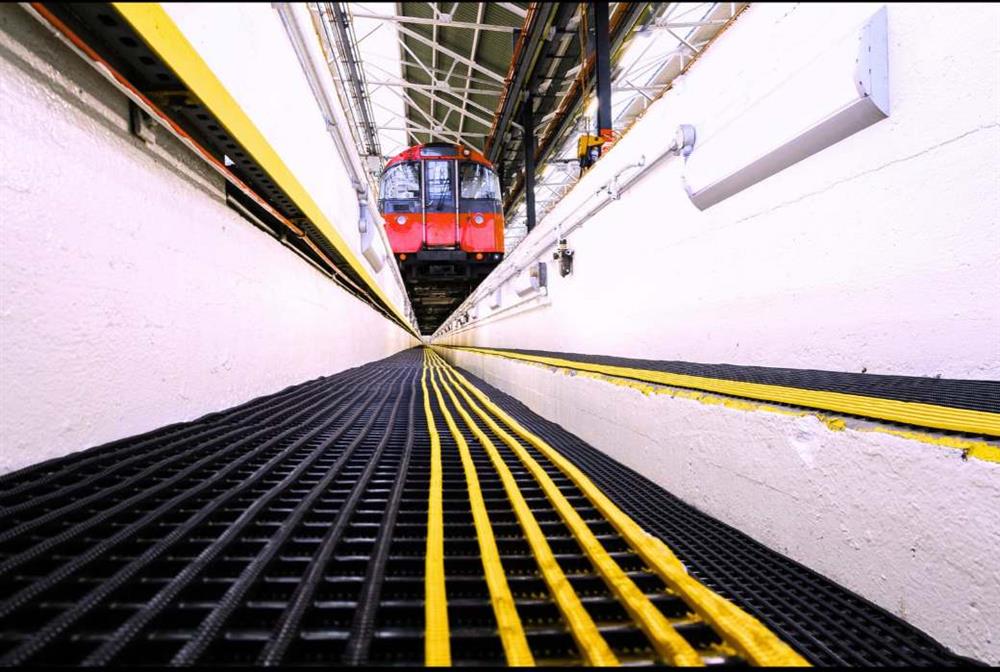
Those questions are important, but the product is only part of the decision. Dealers and commercial buyers also need to consider the company supplying it. A reliable flooring products supplier should understand how different environments affect product performance and provide enough information to help buyers make the right selection.
This is especially important when products will be used in manufacturing facilities, commercial kitchens, entrances, electrical work areas, or other demanding settings. A mat that works well in one part of a facility may be a poor fit somewhere else.
Start With the Conditions Inside the Facility
Floor mats may look similar in a catalog but perform very differently once they’re installed. A carpeted entrance mat may work well in a lobby but won’t provide the drainage needed near food-processing equipment. A basic cushion mat may support an employee at a dry workstation but may not be suitable around oils or chemicals.
A knowledgeable supplier should ask where the product will be used and what it will encounter during a normal workday. Relevant factors may include foot traffic, rolling equipment, moisture, grease, chemicals, electrical equipment, and cleaning requirements. These questions help narrow the options before an order is placed.
For example, our Workstation mat is available with solid or open-mesh surfaces and uses a grease-resistant rubber compound. Conductive Diamond Dek Sponge serves a different purpose by helping prevent static accumulation around electronic equipment. These products may both provide support underfoot, but they’re designed for very different working conditions.
A supplier shouldn’t simply recommend the most popular product. The goal should be to find the option that matches the environment and the way people move through it.
Look for a Product Range That Solves Different Problems
Many facilities require several types of flooring protection. Entrance mats help manage moisture and debris near exterior doors. Anti-fatigue matting supports employees at standing workstations. Runner matting can cover aisles or longer production areas. Specialty applications may require chemical-resistant, conductive, or electrically insulating products.
For a dealer, access to several product categories can make it easier to serve customers in different industries without finding a separate source for every request. A direct buyer can also benefit from working with one supplier across several parts of a facility.
The relationship may also extend beyond flooring. A customer replacing entrance or workstation mats may also need loading dock bumpers, wheel chocks, or wall and corner protection. Having access to related facility-protection products can make future projects easier to coordinate.
Expect Clear Product and Ordering Information
Buyers shouldn’t have to guess whether a product is appropriate for an application. A supplier should provide specifications that make it possible to compare products before committing to an order.
Useful documentation should explain the material, surface construction, available sizes, and recommended applications. It should also cover cleaning requirements, relevant performance standards, and any available customization. These details become especially important in specialized environments.
An open-grid mat may be needed to allow liquids and debris to drain away from the walking surface. An electrical application may require an insulated product that meets a specific standard. Our Diamond Switchboard mat, for example, is ASTM D178 approved, while its wet-area products include options designed around drainage and resistance to substances such as grease or chemicals.
Ordering instructions should be equally clear. Custom matting often requires buyers to specify the width, traffic direction, edge style, and other details that affect how the finished product fits. A dependable supplier should help confirm those specifications before the product enters production.
Consider Product Consistency and Manufacturing Experience
Dealers put their reputation on the line with every product they recommend. If quality varies from one order to the next, the dealer is often the one left to address concerns with the customer.
It’s important to ask how a supplier ensures consistent product specifications and whether their team understands the environments the products are meant for. While a long history doesn’t guarantee the right fit for every application, it can suggest the company has worked through a broader range of customer needs and use cases.
Review Inventory, Lead Times, and Dealer Resources
Even the right product can create problems if it arrives after the installation deadline. Buyers should understand which items are typically stocked and how custom-order timelines are communicated.
Ask how quickly in-stock items usually ship. Find out whether inventory information is easy to access and how the supplier communicates delays. An accurate lead time is more useful than an unrealistic promise that everything is immediately available. Reliable fulfillment isn’t only about speed. It also depends on giving buyers enough visibility to plan installations and set reasonable expectations with their own customers.
Understand the Role of Domestic Manufacturing
Manufacturing location shouldn’t be the only factor in a supplier decision, but it can affect communication and fulfillment. A domestic manufacturer may have a more direct connection to its production schedule and greater visibility when an order needs customization. Shorter communication channels can also make it easier to resolve specification questions before they become production problems.
Domestic manufacturing doesn’t eliminate material shortages or transportation delays. It can, however, reduce some of the uncertainty that comes with longer overseas supply chains and create a clearer path between the buyer and the people responsible for making the product.
Choose a Supplier That Helps You Get the Application Right
Price will always be part of a flooring purchase, but the lowest initial price may not produce the best result. A mat that wears out quickly or fails to address the working conditions will eventually need to be replaced. The same principle applies to the supplier relationship. Unclear specifications, inconsistent communication, and limited product knowledge can create additional work long after the original order is placed.
A reliable flooring products supplier should help buyers understand their options and match the product to the environment. For dealers, that support makes it easier to protect customer relationships. For facility buyers, it provides greater confidence that the product will perform long after it has been installed.